
January 27, 2026 • 2 min read
Why water is critical to the energy transition
In this thought leadership series, we examine the relationship between water and energy production, and explore challenges and opportunities posed by the energy transition.
Water is essential for energy production
Did you know that while roughly 70 percent of the Earth’s surface is made up of water, only three percent of that is fresh water? Currently, about 10 percent of that fresh water is used in energy production. But this could increase by nearly 60 percent by 2040.
If not responsibly managed, the fuels and technologies used to achieve the energy transition will not only increase water stress – they will also be limited by water availability.
Over the past century, electric power generation and process facilities have relied on significant amounts of water for cooling, steam generation, washing, conveyance, gas scrubbing and other applications. Water and wastewater management, treatment and regulatory compliance for these facilities have been key challenges.
Our demand for water will change as we adopt new lower-carbon technologies, but it will still be a core issue for future energy systems.
New energy systems present new water challenges
The energy transition toward net zero emissions changes how we use water, but it doesn’t necessarily reduce our dependence on it. Lower-carbon technologies like hydrogen, ammonia, renewable fuels, batteries, pumped storage hydropower, nuclear, green steel and carbon capture all have unique water needs. In some cases, they require a lot of water.
We’re going to need to be responsible about how we source, recycle, treat and discharge water, ensuring it’s returned safely to the environment. If managed well, we can balance the push for lower-carbon energy while ensuring there’s still enough water for communities and agriculture.
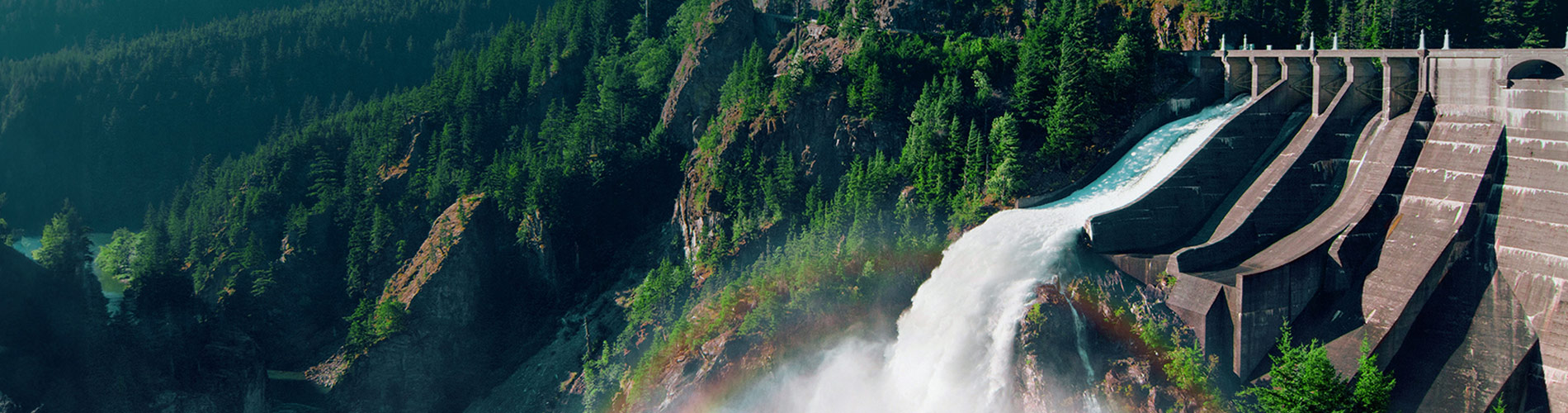
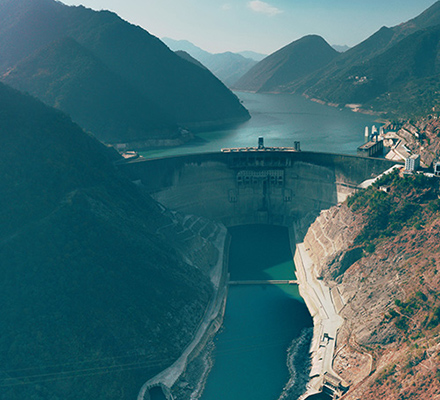
Water is used in many ways. Hydrogen and oxygen can be extracted using electrolysis. Water can be pumped between reservoirs at different heights to drive a hydroelectric generator, or it can be produced as a condensate in renewable diesel production. However, each technology has its own unique opportunities and challenges that must be addressed to ensure water stewardship. Water stress is already a limiting factor in some regions, particularly arid zones where renewable energy projects are being developed, underscoring the need to balance energy innovation with responsible water use.
Where experience meets expertise
We bring deep experience in efficient water planning, technology options, water sourcing, treatment, and reuse. Whether you’re looking to optimize existing infrastructure or develop something new, we’re here to help you move forward with confidence.