

Delivering
sustainable
change
We are driven by a common purpose: delivering a more sustainable world.

Our material sustainability topics
In FY2026, we updated our material sustainability topics by completing a double materiality assessment based on the topics set out in the European Sustainability Reporting Standards (ESRS). Our assessment considered a range of stakeholder views to prioritize environmental, social and governance topics, considering both the effects of ESG matters on our business and the impacts of our activities on people, society and the environment.
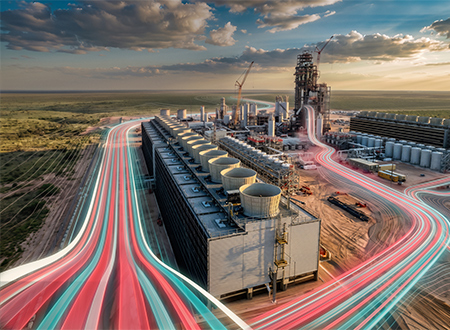
Climate change mitigation
Through our own operations, and the work we do for our customers, we play an important role in reducing GHG emissions.
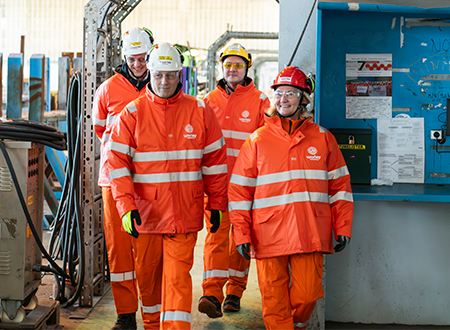
Safety, health and wellbeing
We care about the safety, health and wellbeing of our people.
Talent and development
We empower our people with the skills and experience needed to deliver our strategy.

Business ethics and integrity
Our ethics and compliance systems and operational controls ensure we operate lawfully, ethically and responsibly.
Data security, AI and data privacy
We safeguard our systems, networks and information to support secure operations, the responsible use of artificial intelligence, and the protection of personal and confidential data.
How we define sustainability work
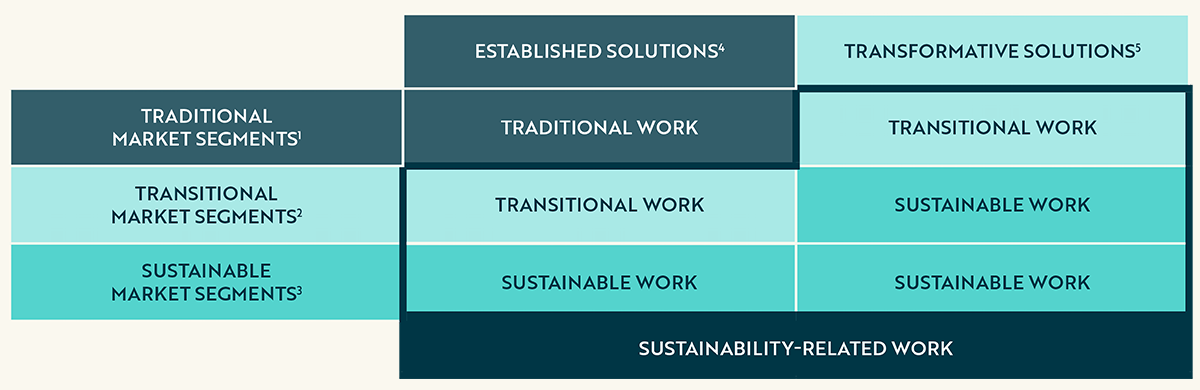
We categorize our sustainability-related work as the sum of our sustainable work and transitional work. We use the combination of market segment and solution to determine how we categorize our work. We refer to all work falling outside of the sustainability-related grouping (sustainable and transitional) as traditional.
Examples include:
- oil, chemicals, petrochemicals, refined fuels and traditional technologies for bulk commodities
- integrated gas, waste to energy (gasification) and waste to chemicals (pyrolysis)
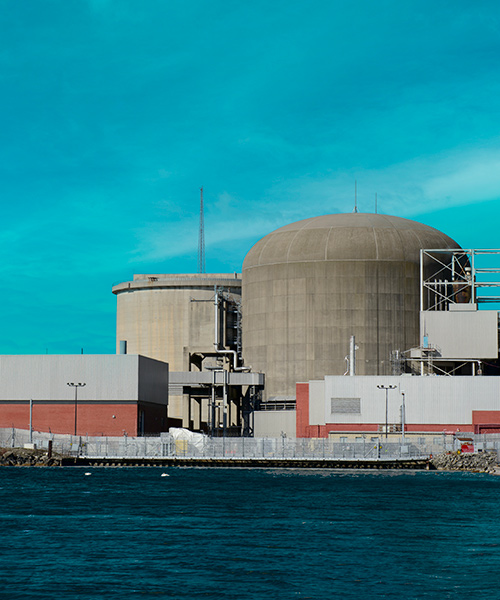
- hydrogen (blue, green), renewable energy, energy transition materials, crop nutrients, direct air capture (DAC), networks and energy storage, nuclear energy, low carbon fuels, and water.
- core offerings, such as process plants, pipelines, mine development, offshore and subsea structures, facilities, terminals, and tailings dams.
- offerings that seek to improve sustainability outcomes, such as recycling, carbon capture, utilization and storage (CCUS), electrification and energy efficiency, and desalination.


From Ambition to Reality
Uncover actionable insights for infrastructure delivery and achieving net zero in our From Ambition to Reality series, co‑created with Princeton University’s Andlinger Center for Energy and the Environment.
Turning ambition into sustainable outcomes