

August 27, 2026 • 5 min read
The resilient energy future of Europe
Clear intent constrained by grid and transmission

David Bahr
Europe has strong policy intent, but structural bottlenecks are determining which projects advance.
Europe’s energy transition has been shaped by policy ambition and a growing focus on energy security. Europe has established a clear direction for renewables, efficiency and industrial decarbonization through:
- binding emissions targets
- a strengthened European Union (EU) Emissions Trading System (ETS)
- significant public spending.
Given Europe’s political climate, energy security is now the dominant driver. Nations have rapidly expanded imports of liquified natural gas (LNG) and accelerated electrification and renewables deployment.
We see a clear pattern across the region: capital is available and policy intent is strong, but projects stall due to constraints on grid development, permitting and finance. These bottlenecks will shape energy investment over the next five years.
Key takeaways
- Europe’s primary constraint is speed of execution.
- Grid investment must double, but current permitting and coordination regimes cannot keep pace.
- The decade-old business model for offshore wind no longer works.
- Carbon capture, use and storage (CCUS), hydrogen and sustainable aviation fuel (SAF) markets will grow selectively.
Accounting for grid costs and permitting
Industrial power and gas prices remain structurally higher in Europe than in other major markets, weakening the economics of electrification, hydrogen production and energy‑intensive manufacturing. Europe also lacks a single federal treasury, and its states vary widely in fiscal capacity, limiting the scale and consistency of industrial subsidies.
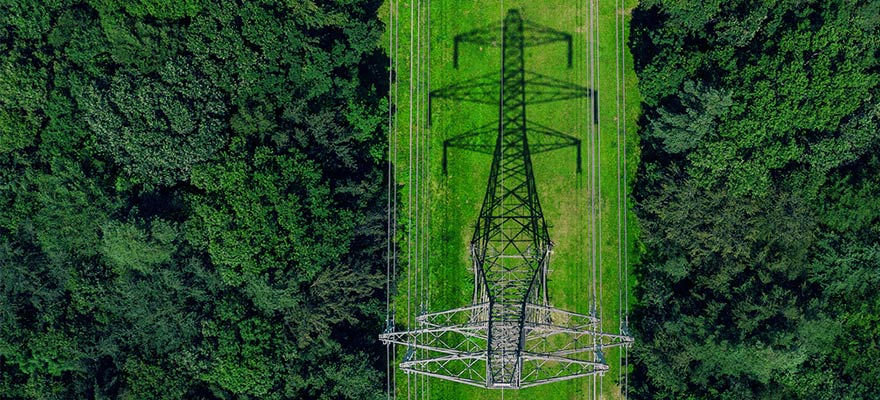
At the same time, the electrical grid underpins every growth market, including data centers, electrification, offshore wind, SAF and hydrogen electrolysis. But Europe’s grid was never designed for bidirectional power flows, high-load digital infrastructure or rapid renewable ramp rates.
The pressure points are clear. Onshore transmission from offshore wind landings must run through distribution networks and substations sized for yesterday’s load assumptions.
Europe is adding renewable capacity faster than it can physically move or absorb the power.
As a result, annual investment in transmission and distribution needs to rise from approximately €60 billion to €120–150 billion by the late 2020s.
Financing is not the constraint. European nations can fund this expansion but cannot execute fast enough under current permitting and coordination regimes. Grid access is becoming a competitive advantage. We expect load growth will be rationed and projects with early grid alignment will be best positioned.
These execution challenges are affecting different sectors in different ways.
Rethinking the offshore wind model
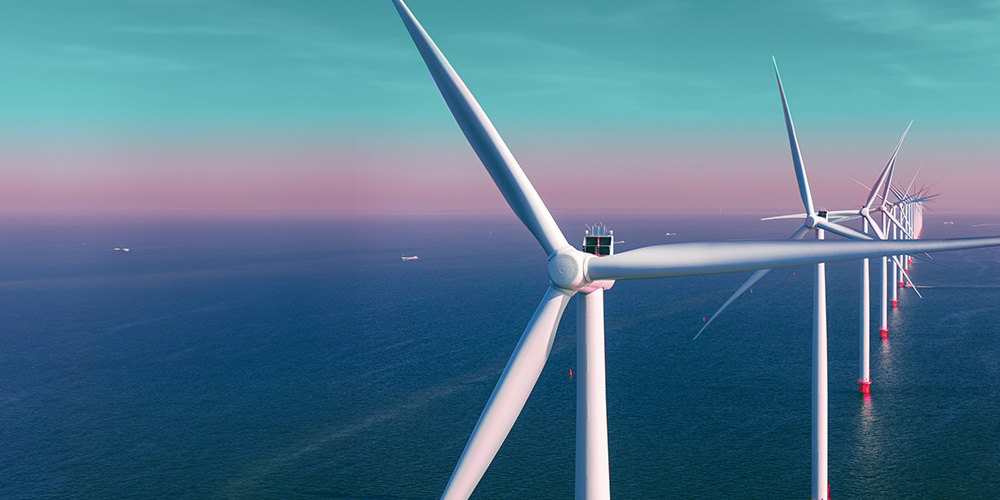
Europe remains the global leader in offshore wind, but the model that worked for a decade no longer applies. As a result, one of the region's most important transition technologies is being forced to adapt to a new economic reality.
The offshore wind model depended on falling turbine costs, predictable supply chains and zero‑subsidy auctions, which changed after 2021. Turbine prices rose by 30–40 percent, while steel, vessels, cables and financing costs also increased. As a result, legacy contracts and merchant bids became uneconomic, forcing developers to walk away from awarded projects.
In response, offshore wind projects are increasingly being planned around load. Fewer, larger projects are being designed to serve data center clusters and industrial hubs. Revenue models are already shifting toward long-term corporate offtake and power purchase agreements.
Even so, offshore wind will not deliver firm power on its own over the next five years. Projects that acknowledge this reality and structure around it from the outset will ultimately succeed.
Stabilizing for firm power
Europe acknowledges that offshore wind will not deliver continuous power on its own, therefore system stability increasingly relies on:
- extending the life of nuclear
- gas with carbon capture and storage (CCS)
- grid-scale storage
- flexible demand.
Nuclear life extension is the fastest and lowest-risk source of firm, lower-carbon power, but licensing reviews often take five to 10 years and cannot be accelerated once projects are underway.
Moreover, Europe’s nuclear sector relies on an aging and highly specialized talent pool. That workforce is already stretched across decommissioning projects, new reactor construction and defense programs.
Gas plants, meanwhile, are being retained or repowered with CCS-ready designs, serving as capacity and reliability assets rather than energy-margin earners.
Power markets overall remain distorted, rewarding energy but undervaluing capacity, system inertia and reliability. This leaves firm power assets dependent on state guarantees and regulated revenues. These days, private capital only participates when risk is clearly bounded.
Similar dynamics are shaping Europe’s industrial decarbonization markets.
Balancing industrial decarbonization
CCUS will expand, but it is constrained by CO2 transport and storage, as well as slow permitting, pipeline approvals, cross‑border rules and long-term liability frameworks.
The North Sea’s geology is favorable, but it can take years to secure storage licenses and conduct injectivity testing.
Capture, transport and storage costs exceed ETS values in most sectors, driving reliance on carbon contracts for difference, state aid and industrial decarbonization grants. As such, projects will cluster around pre-approved hubs and early final investment decisions will anchor locations.
Hydrogen faces a different problem: demand. Electrolyzers can scale, but offtake cannot keep pace. High power prices continue to constrain green hydrogen, while blue hydrogen depends on the availability of CO2 storage. Together, these constraints raise the risk of Europe building excess capacity before markets are ready.
SAF is one of Europe’s clearest mandate-driven markets. Airlines cannot avoid blending obligations, but feedstock availability is the primary constraint on growth.
In the near term, SAF production relies on limited lipid streams, many of which must be imported, and competes with renewable diesel and marine fuel mandates. Not all announced projects will be realized. The projects most likely to succeed will secure long-term feedstock contracts and accept imports as a structural reality, not a temporary fix.
Preparing for challenges in advance
Europe’s energy ambitions are clear. The question is whether the continent can deliver at the pace its own targets demand.
Investors are becoming more selective.
The next five years are likely to see fewer projects, but those that proceed will be well structured and tightly integrated with infrastructure.
Execution discipline now matters more than the choice of technology. The projects that succeed will be those that integrate feedstock, infrastructure and offtake from the start.
We work with our customers to identify and plan around key constraints from the earliest stages of feasibility through to project delivery. To start, test your approach and reduce future risk with our 2030 Energy Strategy Readiness Checklist.

David Bahr is a principal consultant at Worley Consulting with over 35 years of experience across the energy, chemicals and resources sectors. He focuses on industrial decarbonization – including CO2 capture and storage, low-carbon hydrogen and Power‑to‑X pathways such as sustainable aviation fuel and ammonia. David advises customers at the intersection of technology choice, execution risk and long‑term energy strategy. His work spans feasibility, front‑end engineering and strategic advisory, helping organizations identify where projects are most likely to stall and plan around those constraints from the outset.